
All pipes mentioned in this article are sold by PANDAPIPE.
In modern industrial piping systems, the choice of steel pipes affects the safety and stability of the entire project. Schedule 40 vs Schedule 80 steel pipes have different wall thickness and strength characteristics, and they are widely used in various engineering scenarios. Among them, the difference between Schedule 40 and Schedule 80 steel pipes is particularly significant. In order to help you understand the difference between the two pipes more deeply, this article will provide a comprehensive interpretation through parameter comparison, application scenarios, etc.
Schedule 40 vs 80 Steel Pipe Core Differences
Schedule 40 Pipe Thickness Vs 80 Steel Pipe Chart
How thick is schedule 40 pipe vs schedule 80 steel pipe? The actual wall thickness of the steel pipe will vary according to the diameter of the steel pipe (or “pipe diameter”) and the standard used (such as ANSI B36.10, ANSI B36.19, etc.).
Below Is a chart of how thick is schedule 40 pipe vs 80 steel pipe. It is obvious to see the difference in wall thickness of Schedule 40 Vs 80 Steel Pipe.
And PANDAPIPE provide Pipe Schedule Chart 40/80- ASTM Standards Pipe Size PDF for you.
Nominal Size | Schedule 40 Wall thickness (inches) | Schedule 80 Wall thickness (inches) |
1/2 | 0.133 | 0.179 |
3/4 | 0.154 | 0.218 |
1 | 0.188 | 0.250 |
1 1/4 | 0.218 | 0.281 |
1 1/2 | 0.250 | 0.322 |
2 | 0.281 | 0.375 |
2 1/2 | 0.344 | 0.438 |
3 | 0.375 | 0.500 |
4 | 0.438 | 0.625 |
6 | 0.563 | 0.813 |
What Is The Actual Difference Between Schedule 40 And Schedule 80 Pipe Sizes?
Although Schedule 40 and Schedule 80 pipes have the same outside diameter (OD), the wall thickness is different.
For example, a 2-inch steel pipe has a wall thickness of 0.281 inches in Schedule 40 and 0.375 inches in Schedule 80. This means the Schedule 80 pipe wall is about 33% thicker.
As pipe size increases, the thickness gap becomes even larger. For a 6-inch pipe, Schedule 40 has a wall thickness of 0.563 inches, while Schedule 80 reaches 0.813 inches.
The thicker wall of Schedule 80 reduces the internal diameter but significantly increases pressure resistance, impact strength, and service life in harsh environments.
In general:
- Schedule 40 is suitable for water supply, drainage systems, structural applications, and low-pressure industrial pipelines.
- Schedule 80 is commonly used for high-pressure steam systems, chemical processing plants, oil and gas transportation, and other demanding applications.
For projects where pressure and safety are critical, engineers often choose Schedule 80 despite its higher material cost and weight.
Schedule 40 vs Schedule 80: Thickness Difference By Size
| Pipe Size | Sch 40 Thickness | Sch 80 Thickness | Increase |
|---|---|---|---|
| 1/2″ | 0.133 | 0.179 | +35% |
| 1″ | 0.133 | 0.179 | +35% |
| 2″ | 0.281 | 0.375 | +33% |
| 3″ | 0.300 | 0.500 | +33% |
| 4″ | 0.438 | 0.625 | +43% |
| 6″ | 0.563 | 0.813 | +44% |
Across common pipe sizes, Schedule 80 is typically 30%–45% thicker than Schedule 40. This extra wall thickness directly improves pressure handling capacity and resistance to mechanical damage.
Schedule 40 Vs 80 Steel Pipe Wall Thickness
When faced with the choice between Schedule 40 steel pipe (Sch40) and Schedule 80 steel pipe (Sch80), it is actually a trade-off decision between wall thickness, pressure bearing capacity, and cost. According to the ASTM A53 standard (2 inches), the relationship between the three is analyzed in depth.
Sch40 wall thickness: 5.56mm
Sch80 wall thickness: 7.62mm
Thickness increase: 37%
The difference in wall thickness will lead to changes in the following core performance indicators:
- Pressure bearing capacity: The thicker the wall thickness, the greater the pressure bearing capacity. The pressure bearing capacity of Sch80 steel pipe is greatly increased by 57% compared with Sch40. Under normal temperature working conditions, the maximum working pressure of Sch40 is 680psi, while Sch80 is as high as 1070psi.
- Weight difference: The increase in wall thickness is bound to increase the weight. The weight of Sch80 is significantly higher than that of Sch40. Under the same size, Sch80 is 42% heavier than Sch40, and the cost of later installation, transportation, maintenance, etc. will be relatively high.
- Material cost: Sch40 Generally lower. Sch80 Generally higher. As the wall thickness increases, more material is required. The material cost of Sch80 is usually 60% to 80% higher than that of Sch40.
- Performance characteristics: Sch40 Basically the same, but thinner walls may have slightly weaker compression and impact resistance. Sch80 Higher compression and impact resistance.
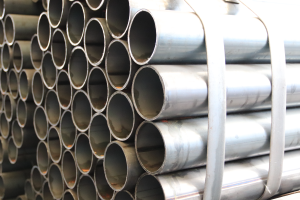
Schedule 40 Vs 80 Pipe Pressure Rating Comparison
Schedule 40 Vs 80 Pipe Pressure Rating
| Pipe Size | Sch 40 Working Pressure | Sch 80 Working Pressure |
|---|---|---|
| 1″ | 1,450 psi | 2,110 psi |
| 2″ | 680 psi | 1,070 psi |
| 4″ | 560 psi | 940 psi |
| 6″ | 470 psi | 800 psi |
For most industrial applications, the pressure rating difference between Schedule 40 and Schedule 80 ranges from 40% to 60%. This is the primary reason why Schedule 80 is specified in high-pressure piping systems.
Sch 40 vs 80 Steel Pipe Key Differences, Parameter Comparison
9 Indicators to Quantify the Basis for Selection
How thick is Schedule 40 pipe vs Schedule 40 pipe? The main differences between Schedule 40 and Schedule 80 steel pipes are reflected in the wall thickness, weight, performance, cost and so on. When selecting products, it is necessary to refer to the relevant standards and specifications, as well as the actual application scenarios, to ensure the reliability and adaptability of steel pipe products.
Schedule 40 vs 80 Steel Pipe Key Differences Comparison Chart
Comparison Items | Schedule 40 | Schedule 80 | International Standards |
Wall Thickness (2-inch Pipe) | 5.56mm | 7.62mm | |
Working pressure (20℃ water) | 680psi | 1070psi | ASME B31.1 |
Burst pressure | 3570psi | 5320psi | ISO 14692 |
Weight per meter (2 inches) | 4.89kg | 7.47kg | |
Corrosion resistance life (seawater environment) | 8-10 years | 12-15 years | NACE MR0175 |
Minimum bending radius | 6D | 8D | ANSI/ASME B16.9 |
Flange matching grade | Class 150 | Class 300 | ASME B16.5 |

When Should You Choose Schedule 40 Instead Of Schedule 80?
Choose Schedule 40 When:
✓ Operating pressure is below 150 psi
✓ Water supply systems
✓ Structural applications
✓ Cost reduction is important
✓ Weight needs to be minimized
Choose Schedule 80 When:
✓ Pressure exceeds 300 psi
✓ Steam service
✓ Chemical processing
✓ Oil and gas pipelines
✓ Mechanical impact risk exists
Schedule 40 and 80 Steel Pipe- Application Scenarios
Scenarios Where Sch40 is Preferred
General engineering applications, such as construction, water treatment, etc.
- Building water supply and drainage system: When the municipal water supply pressure is 6 bar or less, the use of Sch4 can reduce costs by 15-20%, and the pressure is within the pressure range of Sch40.
- Compressed air pipeline: In non-continuous air supply systems with a pressure of ≤10 bar, Sch40 pipes can also be used. Such systems usually do not need to withstand high pressure.
- Steel structure support: In non-pressure scenarios such as warehouse shelves and scaffolding, Sch40 can fully cope with these scenarios and ensure the stability and safety of the structure.
Sch80 Steel Pipe Used for
Environments requiring higher safety, such as oil refineries, petrochemical plants, etc.
- Steam transmission pipeline: The pressure in this scenario exceeds 10 bar or the temperature exceeds 150℃. The use of Sch80 steel pipes meets the requirements of ASME B31.3 standard.
- Chemical corrosive media: Sch80 must be used in oil and gas pipelines containing H2S or CO2 because these media are corrosive. Sch80 has a given thickness of 2mm to resist erosion.
- High-pressure hydraulic system: In the power pipeline of engineering machinery, when the working pressure reaches or exceeds 250 bar, Sch80 must be used.
Submarine pipeline outer layer: The pressure in this environment is about three times the pressure resistance of Sch40, so Sch80 must be selected to be competent.
5 Steps to Decide Whether to Choose Schedule 40 or 80
- Confirm media properties: Corrosive media are automatically upgraded to Sch80
- Calculate working pressure: Use the formula P=(2ST)/(D-2YT)
(S=material yield strength, T=wall thickness, D=outer diameter, Y=material coefficient) - Evaluate impact risk: Sch80 is required for vehicle crushing/mechanical collision areas
- Calculate life cycle cost: Sch80 installation cost increases by 25%, but maintenance cycle is extended by 40%
- Verify standard compliance: Mandatory provisions of API 5L/ANSI B36.10
Get Expert Advice for Your Steel Pipe Project
Schedule 40 and Schedule 80 pipes serve different purposes, and choosing the right specification can significantly impact both project safety and overall procurement costs.
With more than 25 years of steel pipe manufacturing and export experience, PANDAPIPE supplies carbon steel pipes for water transmission, fire protection systems, structural projects, oil & gas applications, and industrial piping systems worldwide.
Tell us your required pipe size, pressure rating, standard, or application, and our engineering team will recommend the most suitable solution.
Submit your inquiry today to receive:
• Free Technical Consultation
• Pipe Specification Recommendation
• Factory Direct Pricing
• Mill Test Certificates (MTC)
• Fast Global Delivery Support
Contact PANDAPIPE today and receive a customized quotation within 24 hours.

 English
 Deutsch
 Español
 Português
 Nederlands
 Italiano
 Français
 Русский
 Українська
 العربية
 日本語
 한국어
 Bahasa Indonesia